The New Luxury Arena: How Formula 1 Turned VIP Hospitality Into Big Business
What it's really like behind the velvet rope at the world's most exclusive racing events.
Formula 1 is no longer only about speed, engineering, and world champions. It has evolved into one of the most powerful luxury business ecosystems in global sports. Behind every Grand Prix lies a hidden world few people ever see the Paddock.
The Paddock is Formula 1’s private operational city. Located directly behind the team garages, it is where engineers, drivers, executives, sponsors, celebrities, and media interact in real time during race weekends. While millions of fans watch the race from grandstands or television screens, the real business of Formula 1 often happens backstage.
This is where partnerships are negotiated, luxury brands host elite clients, investors meet decision-makers, and global networking takes place between sessions, interviews, and pit lane walks.
But why has access to the Paddock become one of the most desired luxury experiences in the world?
The answer is simple: exclusivity creates value.
Formula 1 today reaches over 750 million global fans annually, while its audience continues to grow strongly in the United States, the Middle East, and Asia. The Netflix effect, celebrity culture, and luxury branding have transformed the sport into a lifestyle platform as much as a racing championship.
And nowhere is this transformation more visible than inside the Paddock Club.
The Formula 1 Paddock Club™ sits above the team garages and offers premium hospitality experiences that combine fine dining, open bars, pit lane access, driver appearances, and direct views of the race action. In many races, a three-day VIP package now starts at approximately €12,000 and can exceed €22,000 depending on the circuit and exclusivity level.
For many industries, this raises an interesting business question: “When did sports hospitality become more valuable than the sporting event itself?:
The modern Formula 1 guest is not simply attending a race. They are buying access, visibility, relationships, prestige, and proximity to influence.
The Monaco Grand Prix remains the historic symbol of luxury motorsport culture, attracting royalty, billionaires, celebrities, and global investors aboard yachts overlooking the harbour.
Abu Dhabi has mastered the fusion of entertainment, business, and ultra-premium tourism.
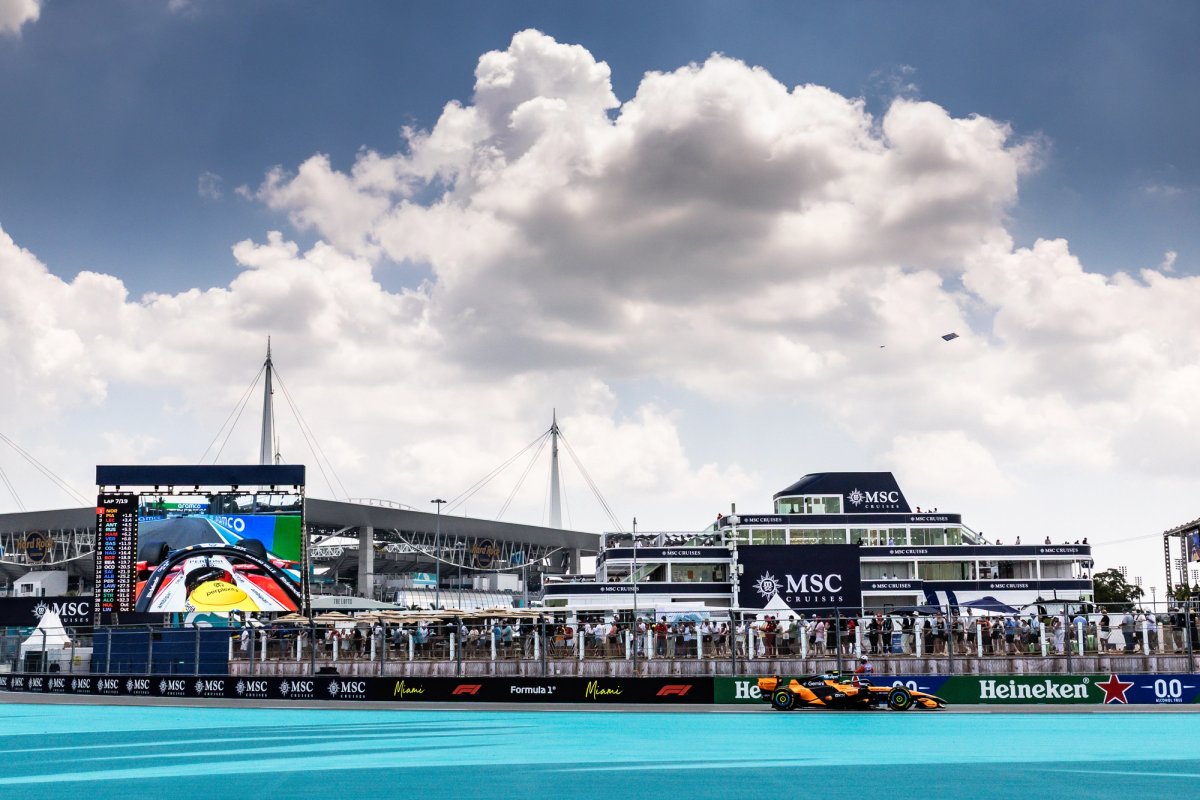
Meanwhile, Miami has rapidly emerged as Formula 1’s newest luxury capital. The Formula 1 Crypto.com Miami Grand Prix has aggressively expanded its VIP infrastructure for 2026, reinforcing its position as one of the most commercially successful races on the calendar.
One of the biggest developments is the debut of a massive permanent three-level Paddock Club overlooking Turn 1. The expansion significantly increases hospitality capacity while elevating the event’s premium guest experience.
Miami is also introducing more immersive VIP concepts, including the return of the Mercedes-AMG Miami Club at Turn 5, where guests experience live driver appearances, racing simulators, luxury entertainment, and exclusive post-race celebrations.
Luxury experiences have become one of Formula 1’s most profitable growth sectors.
Hospitality revenues, corporate partnerships, tourism spending, luxury retail collaborations, and destination marketing now represent enormous financial drivers for host cities and organizers. Major Grand Prix weekends generate hundreds of millions of dollars in local economic activity through hotels, restaurants, nightlife, transportation, and entertainment.
Miami understood this opportunity early.
The city did not simply host a race. It built an international luxury platform around it.
Yet another curious question emerges:
Is Formula 1 becoming the future blueprint for luxury entertainment business models?
Few global events combine sports, fashion, entertainment, technology, tourism, celebrity culture, and high-net-worth networking as efficiently as Formula 1 currently does.
The Paddock itself perfectly reflects this evolution. On one side, engineers analyze millions of data points to gain fractions of a second on track. On the other side, luxury brands entertain clients over champagne and Michelin-level dining experiences.
Performance and prestige now coexist in the same space.
And perhaps this is Formula 1’s greatest achievement: transforming technical racing into an aspirational global lifestyle economy.
Miami continues to redefine the Formula 1 hospitality experience expanding the Paddock Club facilities to exclusive team lounges and celebrity-filled hospitality suites, the Miami Grand Prix has positioned itself as one of the most dynamic VIP destinations in modern motorsport where business, entertainment, technology, and global culture intersect at full speed.
Barbara Cardilli- Motorsport & Lifestyle Expert