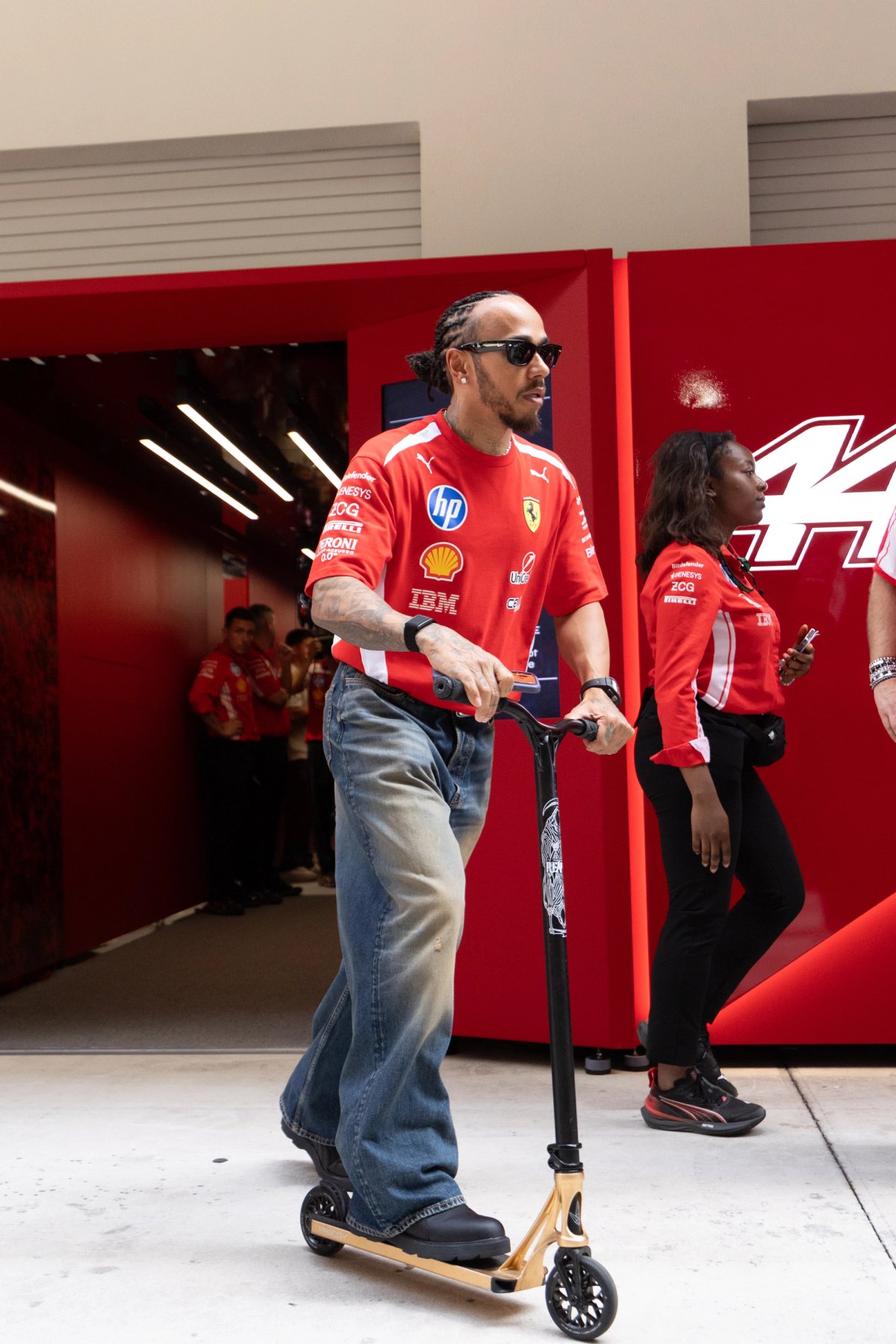
From Paddock to Runway: How Fashion Took Over Formula One
How Fashion Took Over Formula One
The Rise of Formula One as a Luxury Lifestyle Platform. Over the last decade, Formula One has evolved far beyond motorsport. Once seen primarily as a technical and engineering competition, the championship is now positioning itself as a global luxury lifestyle platform—one where fashion, culture, entertainment, and business converge.
The transformation accelerated after the commercial growth strategy led by Liberty Media, which has expanded Formula One’s reach through entertainment, celebrity culture, and digital storytelling. As the audience grew younger, more global, and increasingly lifestyle-driven, luxury and fashion brands quickly recognized a powerful opportunity.
Today, the paddock at a Grand Prix resembles not only a high-performance engineering environment but also a moving fashion showcase, attracting designers, stylists, and luxury houses.
Why Fashion Brands Are Racing Into Formula One
1. Access to a Global, Affluent Audience
Formula One attracts one of the most valuable audiences in global sport.
According to industry reports, F1’s global fan base exceeds 400 million fans worldwide, with strong growth in the United States, the Middle East, and Asia.
For luxury brands, the demographic profile is particularly attractive:
- High disposable income
- Global mobility
- Interest in luxury travel and experiences
- Strong engagement with technology and innovation
This is why brands such as Louis Vuitton, Tommy Hilfiger, Puma, and Boss have expanded their presence across the sport.
Fashion brands are no longer simply sponsoring teams—they are using Formula One as a global marketing platform.
2. The Power of the Paddock as a Fashion Stage
Race weekends provide luxury brands with something extremely valuable: global visibility combined with exclusivity. The paddock at events like the Monaco Grand Prix, Miami Grand Prix, and Abu Dhabi Grand Prix has become one of the most photographed environments in global sport.
Unlike traditional fashion events, Formula One offers:
- A traveling global stage
- High-net-worth spectators
- Celebrity appearances
- Billionaire team owners
- Luxury hospitality experiences
For fashion houses, this creates an ideal environment for brand storytelling.
Drivers as the New Fashion Influencers
Another key reason fashion brands are investing in Formula One is the rise of drivers as global style icons.
The most influential example is Lewis Hamilton, whose presence in fashion has extended far beyond the track. Hamilton has collaborated with luxury designers, attended major fashion weeks, and used his platform to blend motorsport with culture and style.
Other drivers such as Charles Leclerc and Lando Norris are also shaping a new generation of athlete personalities who resonate strongly with younger audiences.
For brands, this creates an opportunity similar to partnerships in football or basketball:
drivers become ambassadors of both performance and lifestyle.
Motorsport Meets Fashion: Strategic Brand Partnerships
Fashion brands have taken several approaches to enter the Formula One ecosystem.
Team Partnerships
Brands like Puma have developed long-term technical partnerships with teams such as Scuderia Ferrari, producing performance gear and lifestyle collections.
Similarly, Tommy Hilfiger has been one of the most visible fashion brands in Formula One through partnerships with Mercedes-AMG Petronas Formula One Team.
These partnerships allow brands to leverage:
- Global broadcast exposure
- Merchandise collaborations
- Co-branded lifestyle collections
Luxury Branding and Prestige Association
Luxury houses such as Louis Vuitton are also increasingly associated with major sporting events, positioning themselves alongside Formula One’s image of performance, innovation, and prestige.
This alignment reinforces a shared narrative:
Precision, craftsmanship, speed, and excellence.
The Business Impact: Fashion as a New Revenue Engine
The intersection of fashion and motorsport is creating new revenue opportunities for teams, sponsors, and Formula One itself.
Key areas of commercial growth include:
Lifestyle Merchandise
Motorsport apparel has evolved from simple fan merchandise into high-end lifestyle collections.
Many teams now release:
- Limited edition fashion collaborations
- Designer capsule collections
- Premium streetwear lines
This has opened new revenue streams beyond traditional sponsorship.
Brand Activation and Experiences
Fashion brands are increasingly hosting:
- Trackside events
- VIP fashion showcases
- Influencer activations during race weekends.
These experiences turn the Grand Prix weekend into a luxury lifestyle festival rather than just a sporting event.
Why This Trend Will Continue
Several structural factors suggest that the relationship between fashion and Formula One will continue to grow.
1. The Rise of Celebrity Culture in F1
Events like the Las Vegas Grand Prix and Miami Grand Prix have blended sport with entertainment, music, and celebrity culture.
This environment naturally attracts fashion brands.
2. Younger Global Audiences
Digital platforms and social media have brought Formula One closer to a younger audience interested in style, culture, and identity.
Fashion brands are targeting this demographic.
3. Motorsport as a Luxury Experience
Modern Grand Prix events are increasingly positioned as luxury lifestyle destinations, combining hospitality, travel, entertainment, and high-end brand experiences.
Fashion fits naturally into this ecosystem.
Conclusion: Formula One’s New Identity
Formula One is no longer just a championship of speed and engineering.
It is becoming a global stage where performance, luxury, technology, and culture intersect.
As fashion brands continue to invest in the sport, the paddock is transforming into a unique space where sport meets style, innovation meets identity, and speed meets prestige.
For brands, the message is clear:
Formula One is not just about racing anymore — it is about lifestyle influence at a global scale.
By Barbara Cardilli
Motorsport & Lifestyle Expert | Chief Editor