Mercedes Finds its Future in Shanghai
Mercedes Finds its Future in Shanghai
At some point, every sport waits for a new face to arrive and change the rhythm of the game. In Shanghai, Formula 1 may have witnessed exactly that moment.
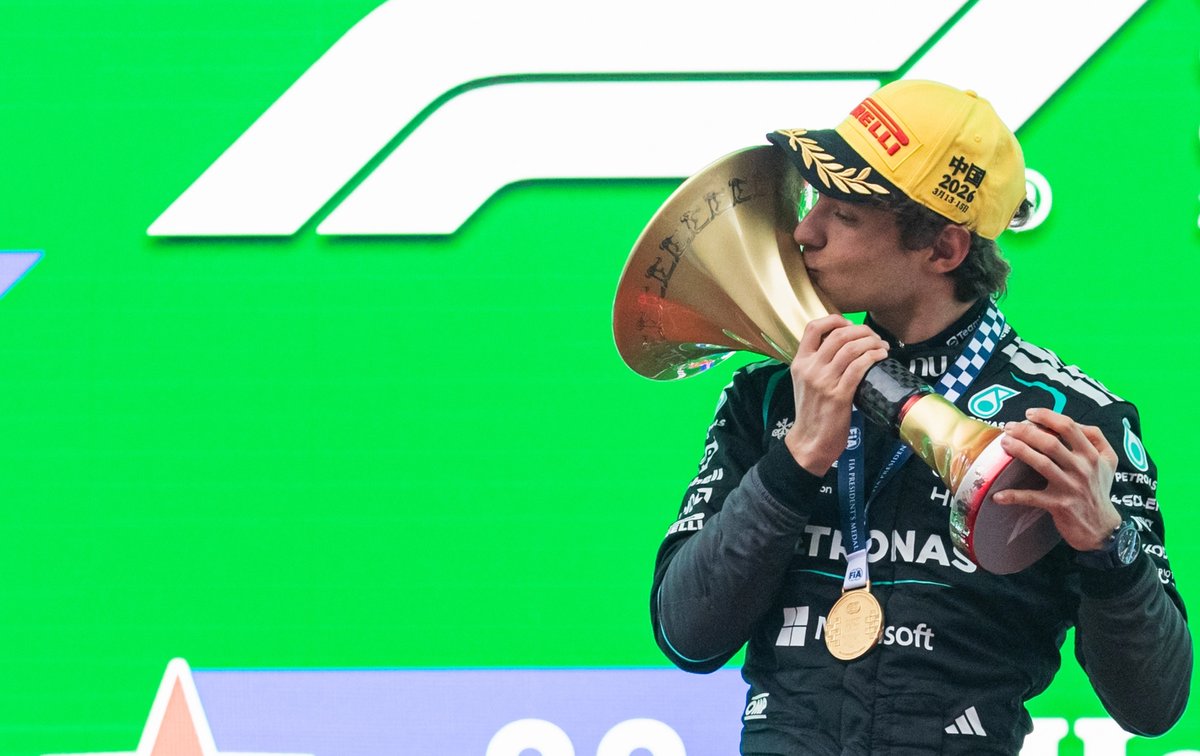
Kimi Antonelli owned the attention of the Chinese Grand Prixt. The teenage Mercedes driver became the youngest pole-sitter in Formula 1 history before leading teammate George Russell to a commanding Mercedes one-two finish. And when the emotions hit after qualifying, Antonelli’s words felt bigger than statistics.
“I’m speechless. I’m about to cry.”
That reaction mattered. Because Formula 1 is not only about lap times and telemetry. It is also about pressure, dreams, and the terrifying speed of growing up in public.
What makes Antonelli’s rise fascinating is not just his raw pace. It is the timing. Formula 1 is entering a new technical era with the 2026 regulations, and Mercedes suddenly looks like a team that understands the future earlier than everyone else. Lewis Hamilton, now driving for Ferrari, even hinted that Mercedes may be hiding extra engine performance until qualifying sessions. Is it energy deployment? More efficient power delivery? Better hybrid management? Nobody outside the garage truly knows.
But everyone can see the results.
Hamilton pushed hard and still finished more than three tenths behind Antonelli in qualifying. On race day, Ferrari closed the gap slightly, yet Mercedes still looked calm, efficient, almost untouchable. The scary part? What if they are still not showing everything?
Shanghai also exposed how brutal modern Formula 1 can be. McLaren suffered a double disaster with both cars failing before the race even started. Max Verstappen retired with technical problems. One weekend can completely change momentum in this sport. One electrical issue, one cooling failure, one bad strategy call and a title challenge suddenly looks fragile.
Meanwhile, young drivers continued to steal headlines. Ollie Bearman delivered a stunning fifth place for Haas after surviving first-lap chaos that could easily have ended his race. Formula 1 keeps asking the same question: are we watching the next generation arrive faster than expected?
And perhaps the biggest lesson from Shanghai is this: Formula 1 never stays still. Teams evolve. Technology evolves. Drivers evolve. The champions of yesterday can suddenly find themselves chasing teenagers who grew up racing simulators before they even had road licenses.
From a business perspective, that unpredictability is exactly why Formula 1 continues to explode globally. The sport generated more than $3 billion in revenue last season, while manufacturers are investing heavily into hybrid technology, sustainability, and global media growth. Young stars like Antonelli are not just drivers; they are future brands, future sponsors, future audiences.
In Shanghai, Mercedes may have won a race. But Formula 1 may have discovered its next major superstar.
Barbara Cardilli- Motorsport & Lifestyle Expert
Image Credit: Cristiano Barni
Instagram