
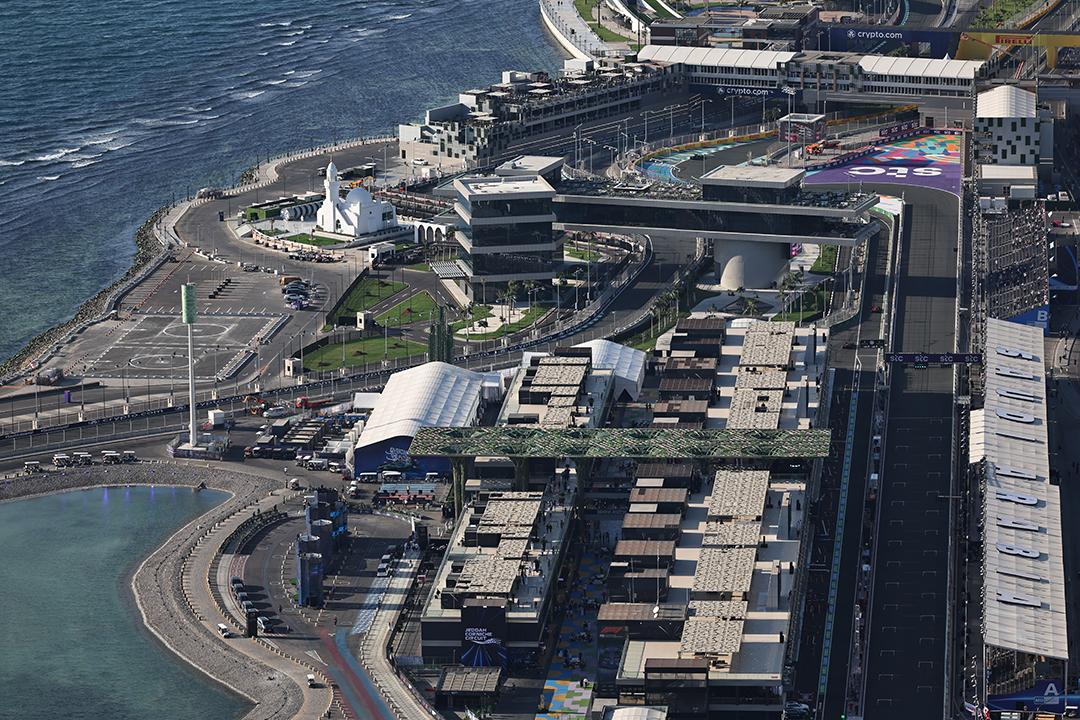
The American business model is transforming Formula 1: faster than any car on the grid
Is Formula 1 Becoming an American Sport?
For 75 years, Formula 1 was built around Europe. Legendary circuits like Silverstone, Monza, Monaco, and Spa-Francorchamps shaped the identity of the championship. Today, however, the business of Formula 1 is expanding far beyond its traditional home. The United States has become one of the sport's biggest growth markets, and the numbers explain why.
Formula 1 now hosts three Grand Prix in the United States: Miami, Austin, and Las Vegas. This is more than a sporting decision; it is a business strategy.
Since Liberty Media acquired Formula 1 in 2017, the company has focused on increasing revenue through media rights, sponsorships, premium hospitality, and entertainment experiences.
The Las Vegas Grand Prix is the clearest example. Unlike most races, Formula 1 promotes the event directly instead of relying on a local race organizer. This allows the championship to keep a much larger share of ticket sales, hospitality packages, sponsorship income, and merchandising revenue.
The financial impact is impressive. According to organizers, the inaugural Las Vegas Grand Prix generated an estimated $1.5 billion in economic activity for Southern Nevada. Hotels reached record prices, restaurants were fully booked, and thousands of temporary jobs were created. For the local economy, Formula 1 became one of the largest annual tourism events in the city.
Liberty Media is also investing beyond race weekends. The company has developed a permanent Formula 1 headquarters on the Las Vegas Strip that supports race operations throughout the year. This transforms Formula 1 from a three-day event into a long-term business presence with ongoing commercial opportunities.
Media is another major growth driver. The popularity of Formula 1 has increased significantly in the United States, helped by digital content, social media, and the Netflix series Drive to Survive . New fans attract new sponsors, higher television audiences, and stronger commercial partnerships. Every additional viewer increases the value of broadcasting rights and advertising opportunities.
Corporate partnerships continue to grow as global brands look for premium international exposure. Technology companies, financial institutions, luxury brands, and consumer products all see Formula 1 as a platform to reach high-income and global audiences. This commercial ecosystem benefits not only Formula 1 but also teams, drivers, suppliers, and host cities.
The economic results are visible across the championship. Formula 1 has reported record revenues in recent seasons, driven by race promotion fees, broadcasting contracts, sponsorship agreements, and hospitality experiences. Teams are also benefiting from stronger financial regulations, including the cost cap, which has improved profitability and made ownership more attractive to investors.
However, this rapid American expansion also raises an important question. Formula 1 built its reputation on European history, engineering excellence, and iconic circuits. As entertainment becomes a larger part of the product, some fans worry that commercial success could overshadow sporting tradition.
Finding the right balance may become Formula 1's biggest challenge. The sport needs continued financial growth while protecting the heritage that made it successful in the first place. If Liberty Media achieves both objectives, Formula 1 could become one of the world's strongest sports businesses without losing its unique identity.
The business lesson is clear: successful sports are no longer defined only by competition. They are driven by media, tourism, entertainment, technology, and global investment. Formula 1's American expansion demonstrates how a historic championship can reinvent itself while creating billions of dollars in economic value.
Questions for our readers
- Should Formula 1 continue expanding in the United States if it means adding more American races to the calendar?
- Can Formula 1 increase profits while preserving the traditions that made it the pinnacle of motorsport?
Image credit: Cristiano Barni
Instagram